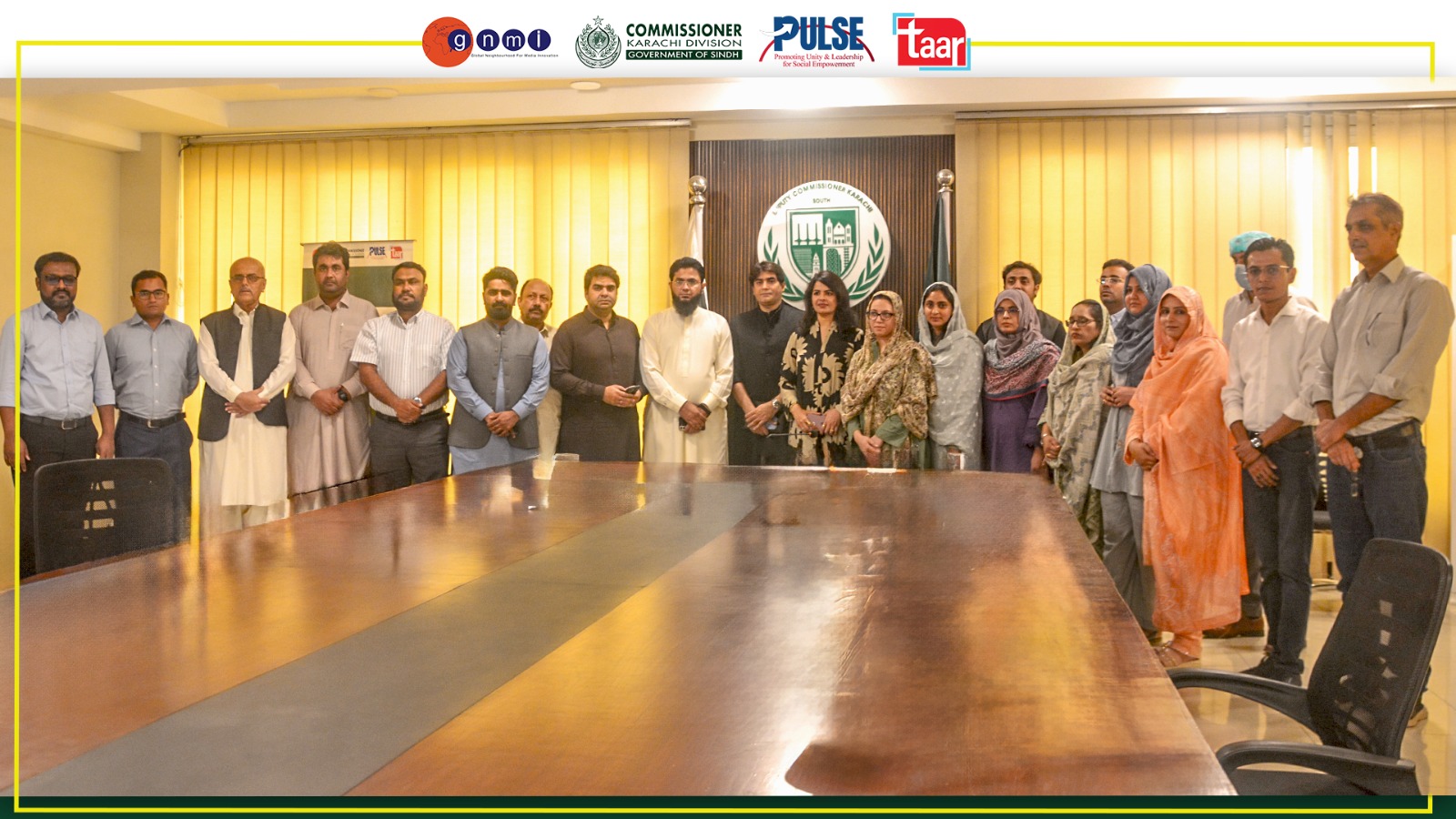
Promoting Unity and Leadership for Social Empowerment (PULSE), in collaboration with the Global Neighbourhood for Media Innovation (GNMI), TAAR Media, and Commissioner Karachi Division, conducted a specialized training session aimed at strengthening crisis communication and negotiation skills among senior civil servants.
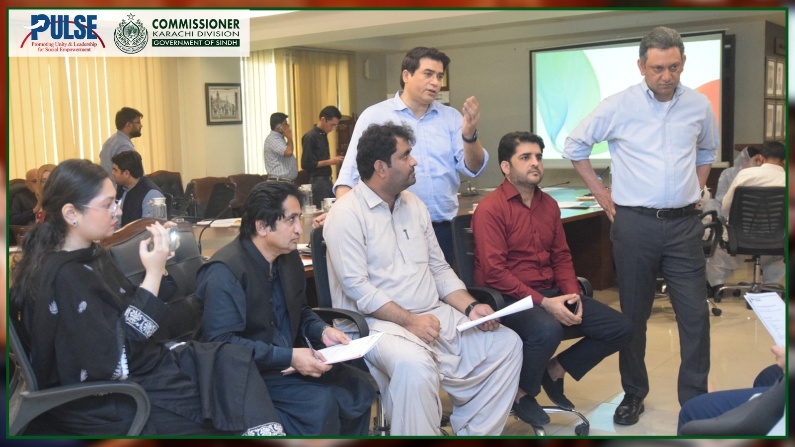
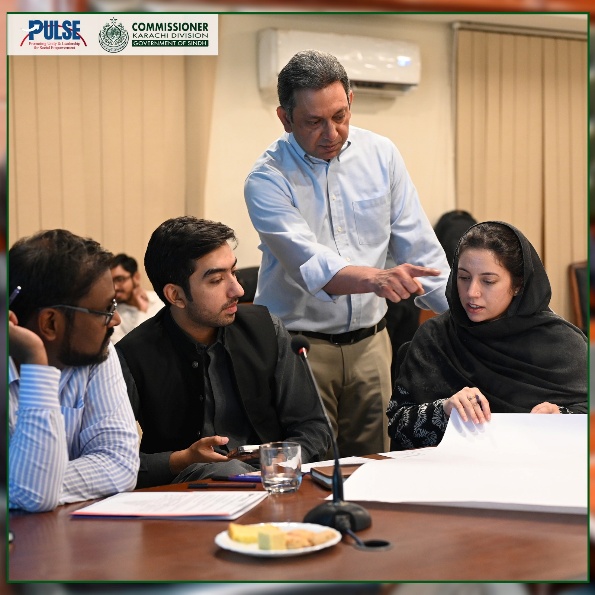
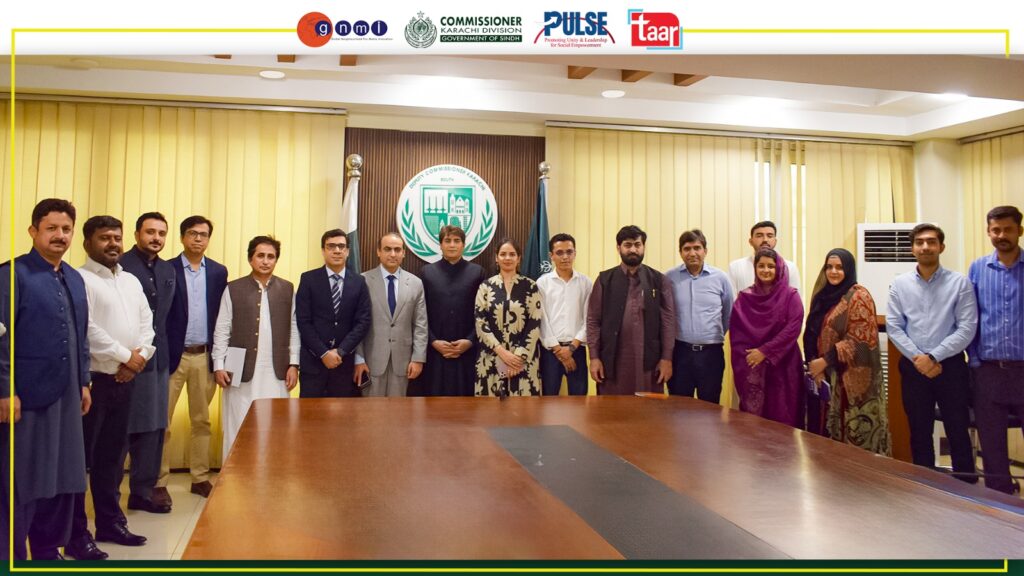
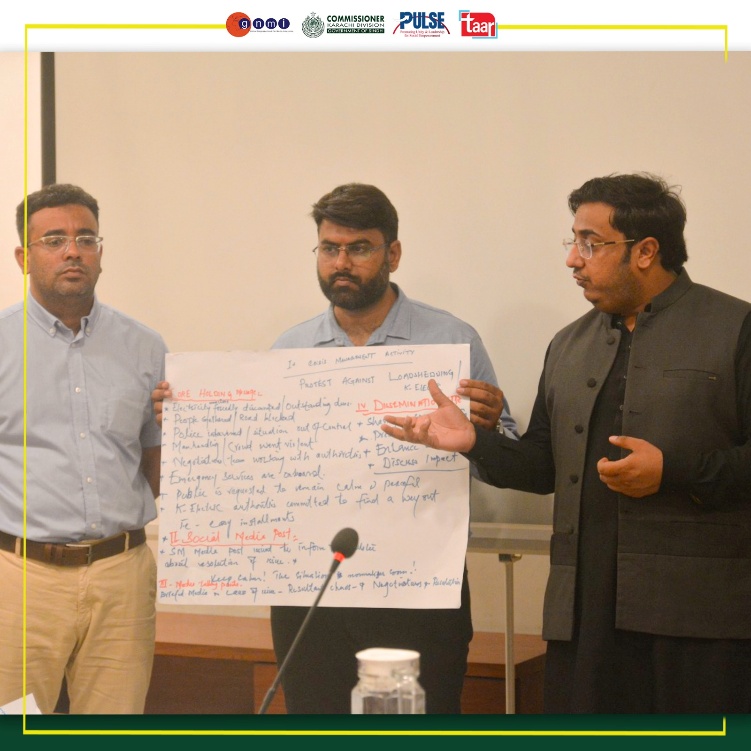
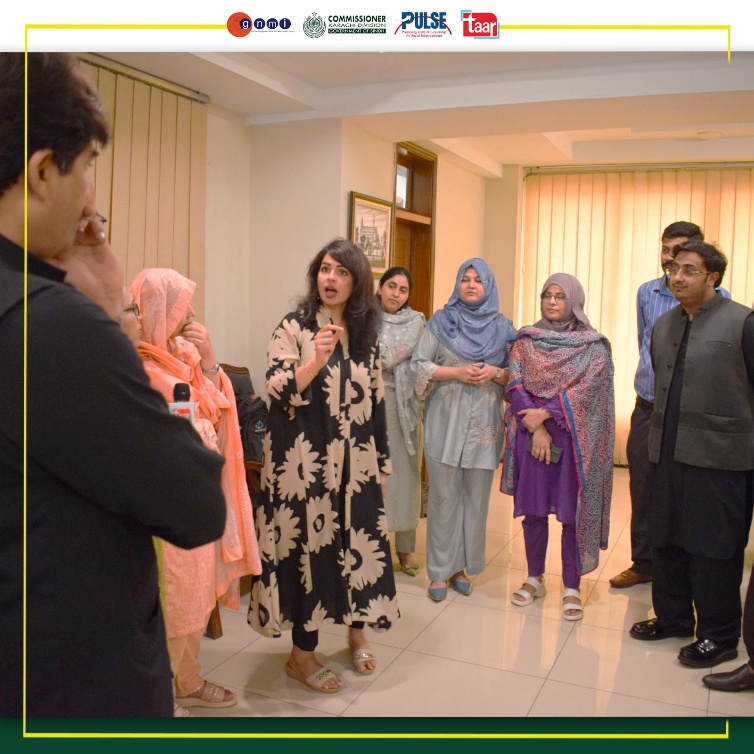
The high-level workshop, Media Handling in the Context of Negotiation, brought together 41 public officials including Additional, Deputy, and Assistant Commissioners from all seven districts of Karachi for two intensive half-day sessions held on June 19, 2025. The training focused on preparing officers to manage high-stakes public communication during times of crisis, misinformation, and civic emergencies.
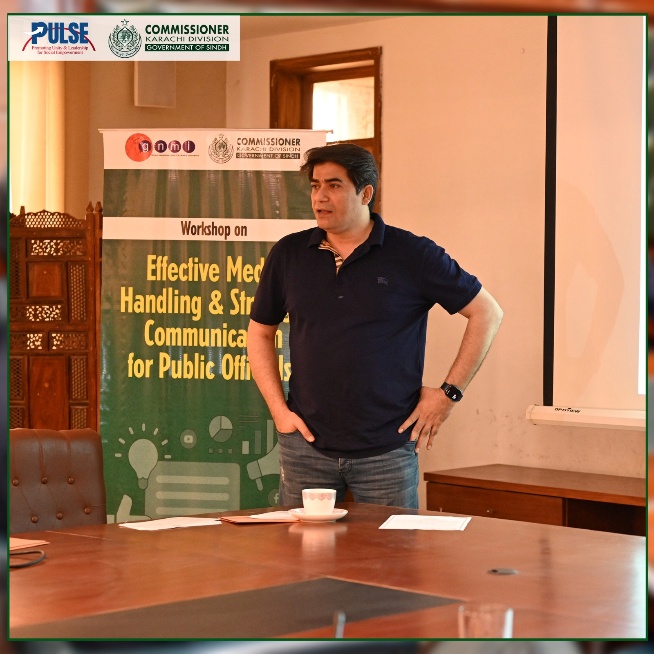
The workshop was a direct follow-up to PULSE and GNMI’s earlier joint training “Effective Media Handling and Strategic Communication for Public Officials” held in April 2025. That session highlighted the need for more action-oriented learning models to enhance communication confidence among civil servants.
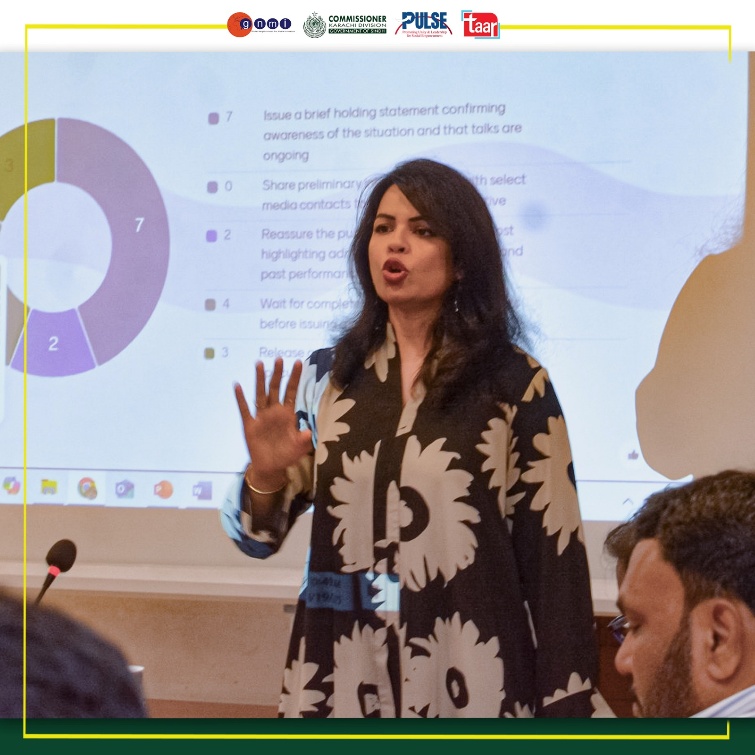
Najia Ashar, Co-founder of PULSE led the primary sessions of the workshop. Drawing on her extensive experience in journalism and media training, she emphasized the urgent need for public officials to own and shape the narrative before it is hijacked by misinformation.
“In the age of instant news, if public officials don’t control the narrative, misinformation will,” she remarked. Her session included hands-on exercises on drafting press releases, talking points, and social media updates using AI-powered tools, with a strong focus on clarity, tone, ethical communication, and public trust.
Syed Masood Raza, Co-Trainer, senior journalist, and General Secretary of GNMI, conducted a case-based session simulating high-pressure scenarios, including how to respond to public unrest. His session deconstructed real-world government responses, highlighting both missteps and best practices, and opened the floor to officers who shared their own field experiences of conflict de-escalation and negotiation.
“Without crisis communication, peaceful conflict resolution becomes nearly impossible,” said Syed Mehdi Shah, Additional Commissioner, Karachi Division, emphasizing the urgency of mastering these skills in today’s volatile environment.
This initiative reflects PULSE’s continued commitment to promoting globally informed leadership through media literacy and communication training. By equipping public officials with critical crisis response and negotiation skills, PULSE advances its mission to strengthen institutions, promote accountable governance, and support democratic values through the power of ethical, responsive, and strategic communication—wherever the need arises.



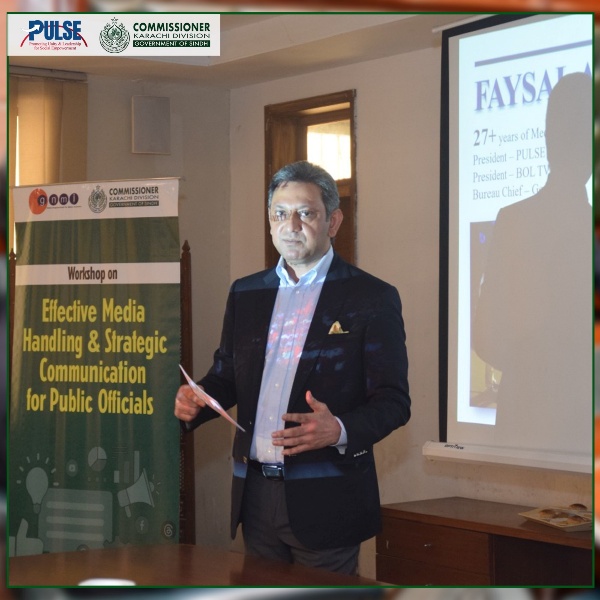
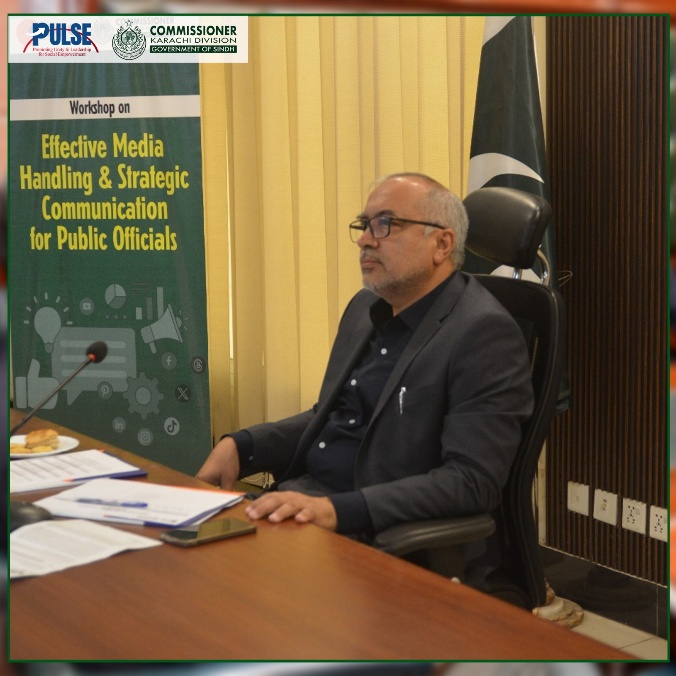
Promoting Unity and Leadership for Social Empowerment (PULSE), in collaboration with the Global Neighbourhood for Media Innovation (GNMI), conducted a two-day capacity-building training titled Effective Media Handling and Strategic Communication for Public Officials from April 29–30, 2025. The session brought together 43 officers from the District Administration, including Deputy Commissioners of district administrations, to enhance their communication skills in the face of an increasingly dynamic and fast-paced media landscape.
The initiative stemmed from a joint needs assessment conducted earlier this year by PULSE and Commissioner Karachi Division, which identified critical gaps in crisis communication and public messaging among government officials. In his opening remarks, Husnain Raza, Director of Programs at GNMI, emphasized the urgent need for such training, citing the growing influence of digital platforms and the spread of unchecked disinformation.
Faysal Aziz Khan, senior broadcast journalist, President of PULSE (USA), and chief trainer of the workshop, led the primary session. He explored the shifting media landscape, underlining the transition from traditional to digital platforms such as WhatsApp, Facebook, and X. Citing data from Pakistan’s media regulator, PEMRA, he discussed the expanding influence of these platforms and the associated risks of misinformation. He introduced participants to practical Artificial Intelligence (AI) tools and strategies for crafting human-centered and credible messaging, while also highlighting the importance of ethical considerations in AI-driven content creation.
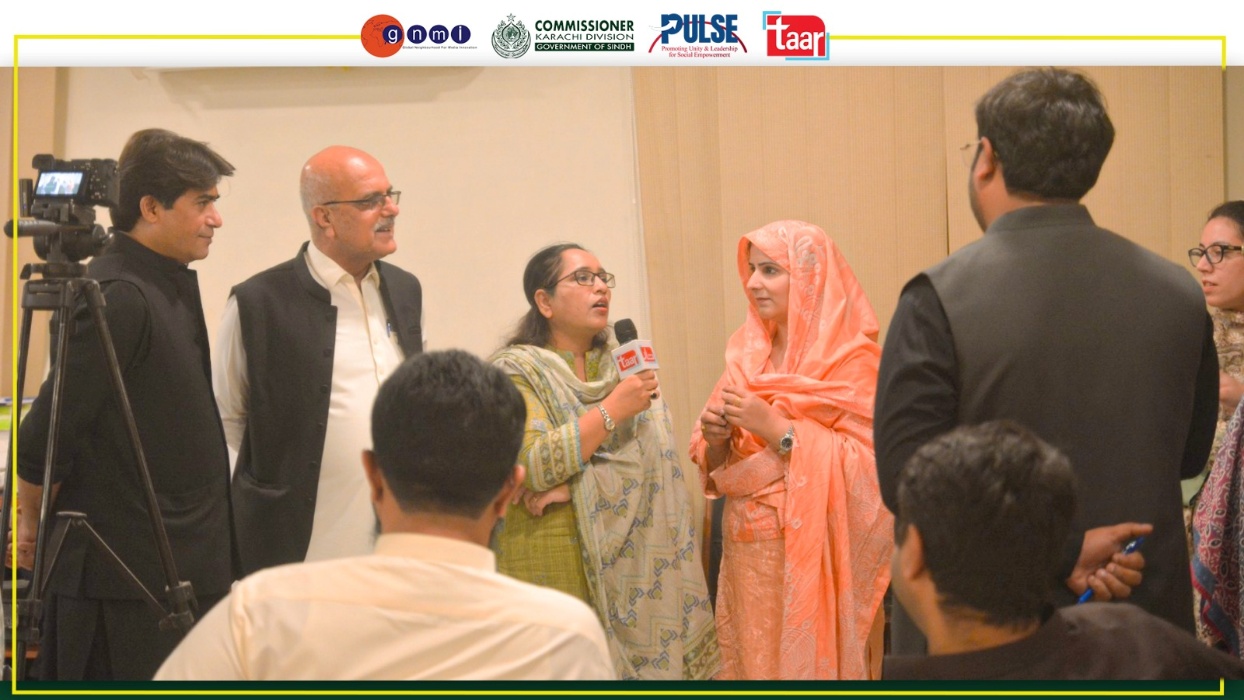
Co-trainer Syed Masood Raza, senior broadcast journalist, conducted an in-depth session on building media presence and refining interview techniques. His training focused on both verbal and non-verbal communication, including body language, tone, and professional attire. Raza also offered hands-on guidance for navigating different media formats—from live interviews to press conferences—and facilitated mock press conference drills to help participants develop real-time messaging strategies.
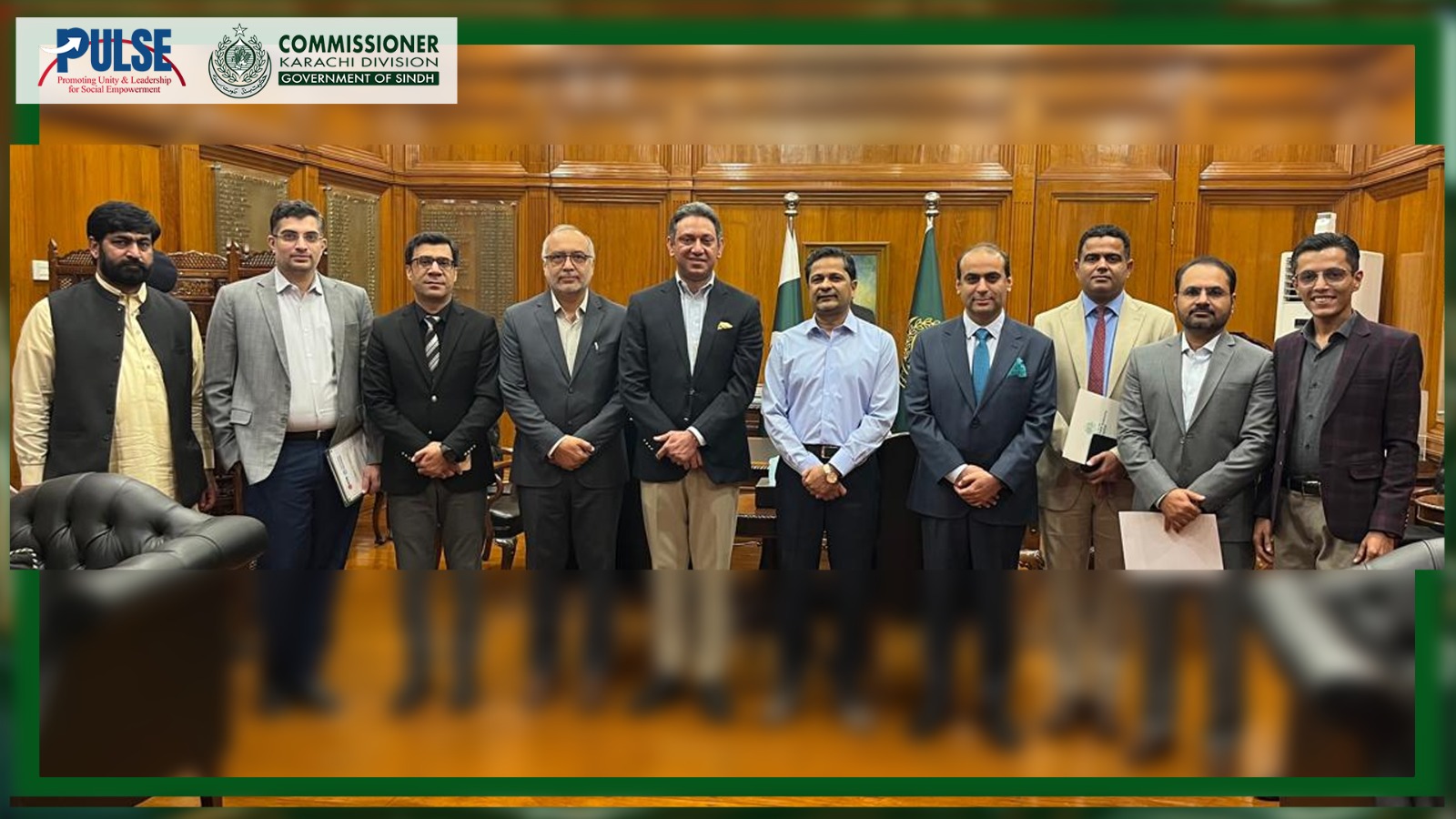
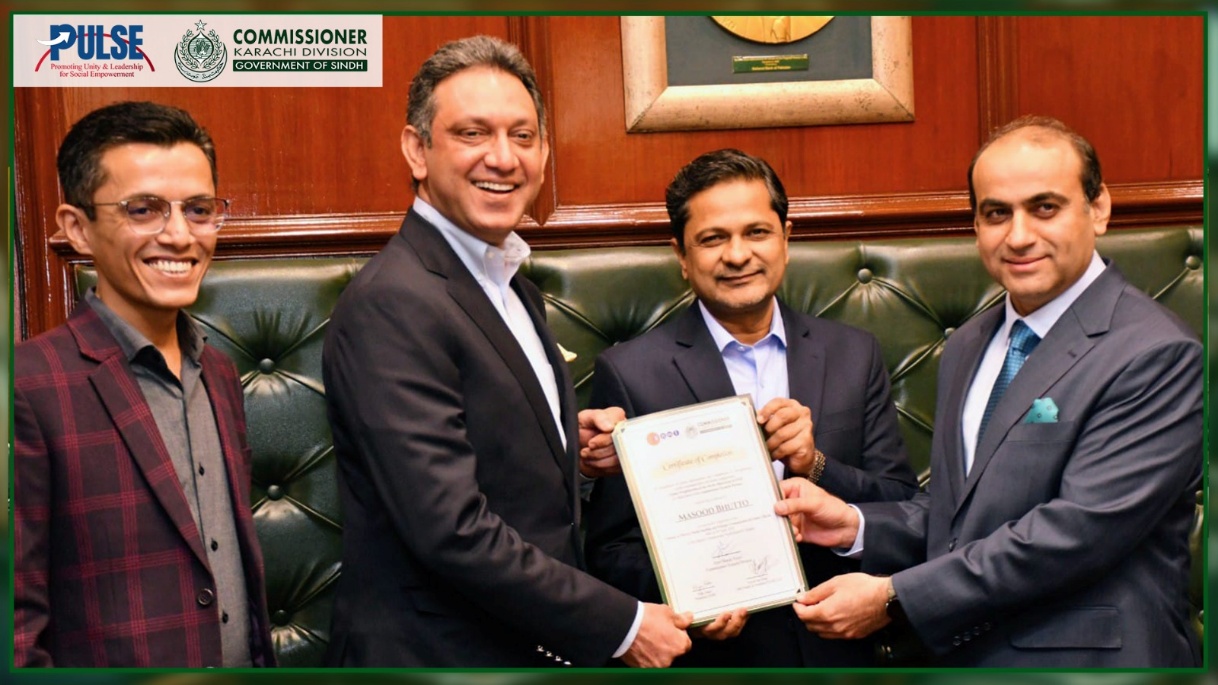
Commissioner Karachi Division Syed Hassan Naqvi, who attended the certificate distribution ceremony, emphasized the critical need for public administrators to communicate in ways that are “clear, credible, and prompt,” especially during emergencies. He stressed the importance of media sensitization among government officials and their ability to confidently engage with both traditional and digital platforms.
This training session aligns with PULSE’s broader mission to bridge the gap between government and citizens through strategic communication, responsible media engagement, and capacity building. The organization reaffirms its commitment to promoting transparent governance and strengthening the role of communication in public service.